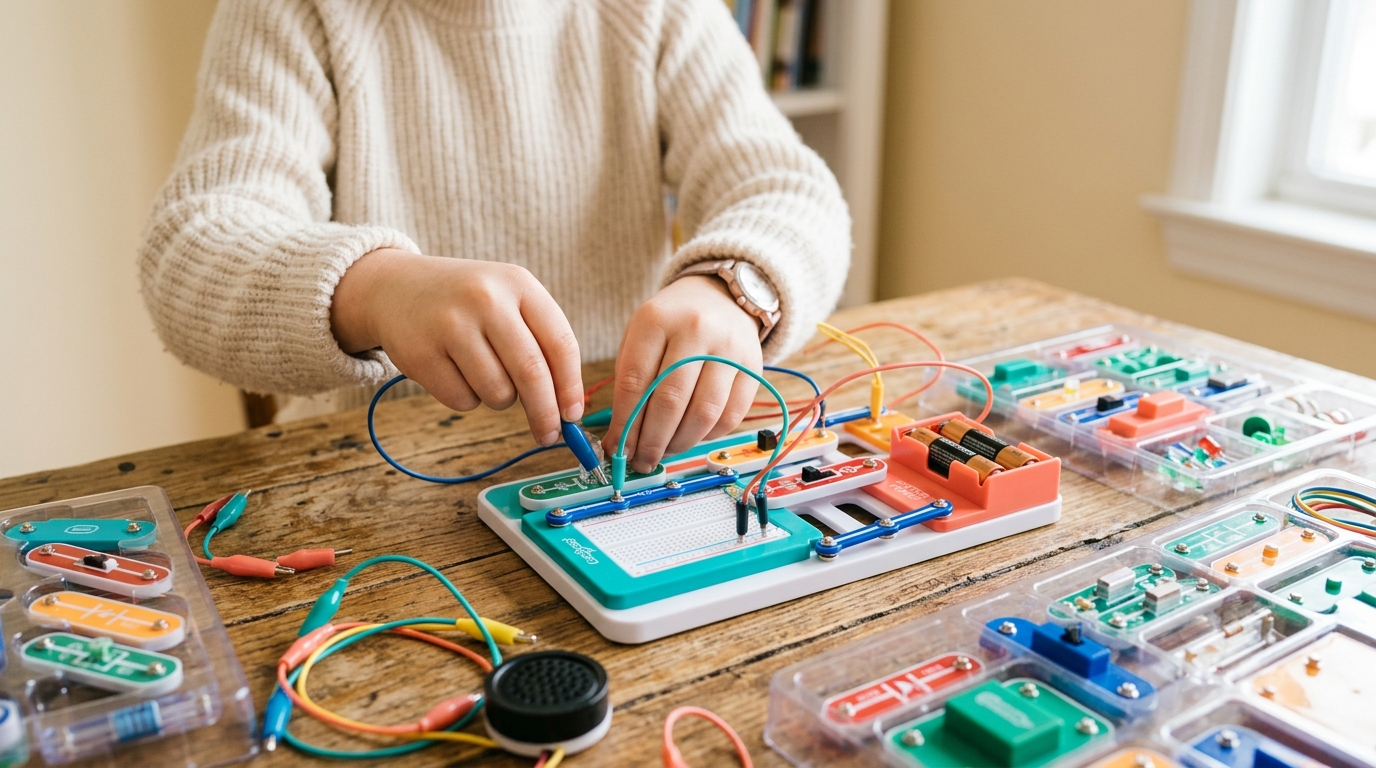
When you watch a child carefully thread a bead onto a string or concentrate on painting inside the lines, you're watching more than play. You're watching the development of fine motor skills — the small, precise movements of hands and fingers that make everything from writing to buttoning a shirt possible. Arts and crafts are one of the most effective ways to build these skills, and the best part is that kids genuinely enjoy them.
What Are Fine Motor Skills?
Fine motor skills involve the coordination of small muscles in the hands and fingers with the eyes. They're essential for:
- Writing and drawing
- Using scissors
- Tying shoelaces
- Typing on a keyboard
- Using utensils
- Opening containers
These skills develop gradually from toddlerhood through the elementary years, and they need practice. Lots of it. That's where arts and crafts come in.
How Different Crafts Build Different Skills
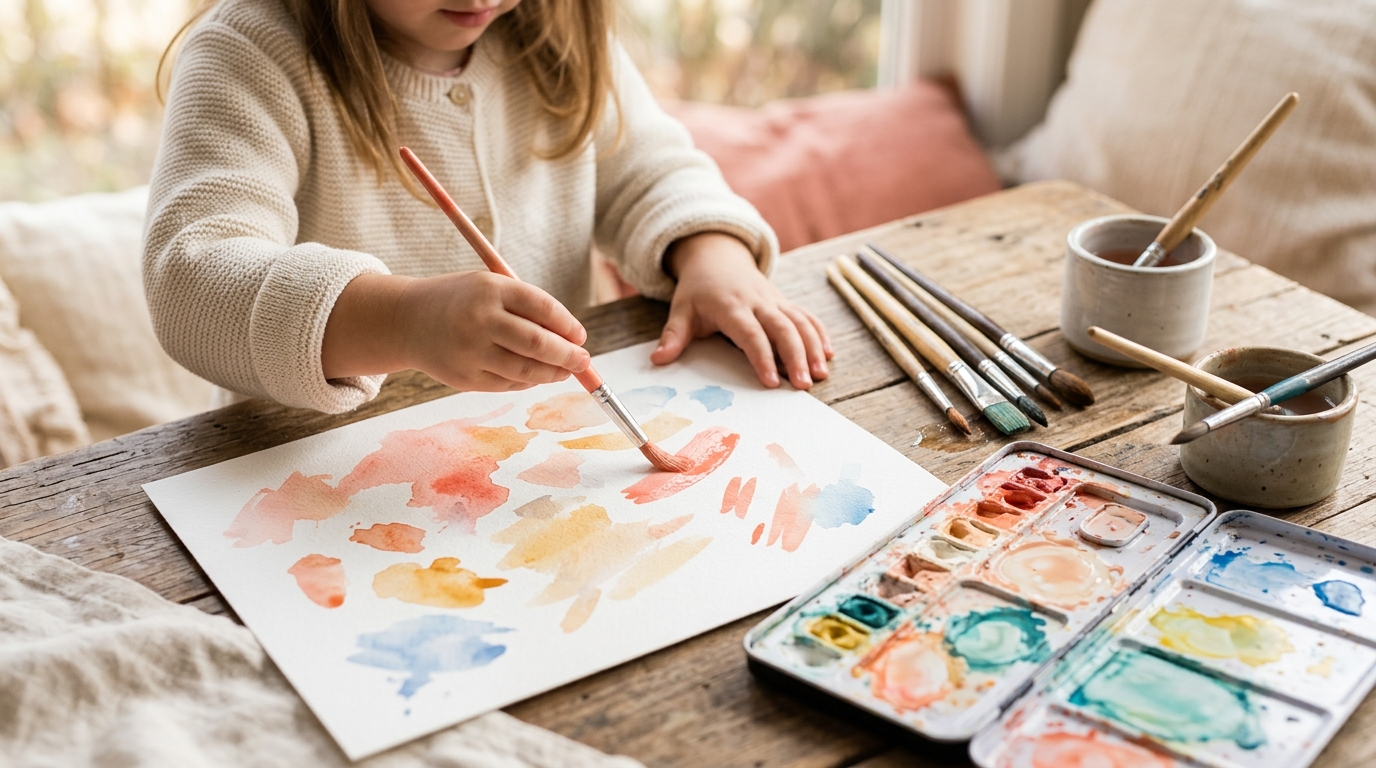
Painting: Brush Control and Wrist Stability
Holding a paintbrush requires a "pincer grip" — the same grip used for holding a pencil. Watercolor painting, in particular, teaches children to control pressure and direction. Our 12-color watercolor set with 5 brushes includes different brush sizes, which naturally encourages children to adjust their grip and pressure.
Beading: Pincer Grip and Hand-Eye Coordination
Threading small beads onto a string is one of the best fine motor exercises available. It requires precise finger movements, sustained attention, and hand-eye coordination. The 500-piece jewelry making kit includes beads in multiple sizes, so children can start with larger beads and progress to smaller ones as their skills improve.
Sewing: Bilateral Coordination
Sewing requires both hands to work together — one holding the fabric, the other manipulating the needle. This bilateral coordination is crucial for tasks like cutting with scissors and writing. The beginner sewing kit uses safe needles and colorful threads that make the process engaging for young children.
Clay: Hand Strength and Dexterity
Squishing, rolling, and shaping clay builds the intrinsic muscles of the hand — the small muscles inside the palm that control finger movement. Strong intrinsic muscles mean less hand fatigue during writing. The 12-color modeling clay set is soft enough for young hands but firm enough to provide resistance.
Setting Up a Craft-Friendly Space
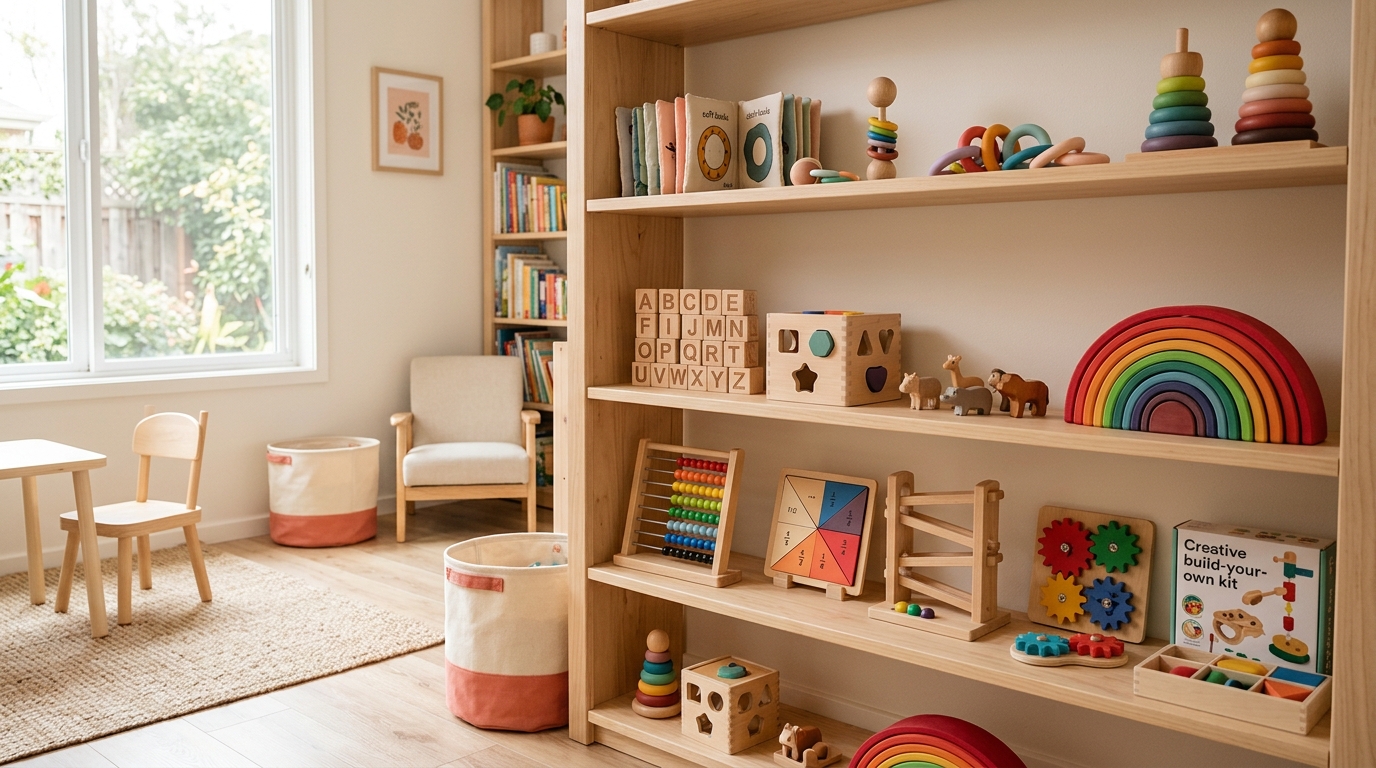
You don't need a dedicated art studio. A small table with good lighting and a few well-organized supplies is enough. Here are some tips:
- Keep supplies visible and accessible. Children are more likely to create when materials are within reach. The 120-piece craft supply box keeps everything in one organized container.
- Provide a dedicated surface. The double-sided wooden easel gives kids a standing work surface that's always ready — no setup required.
- Embrace the mess. Cover the floor, use washable supplies, and accept that creativity is messy. The cleanup is worth the developmental benefit.
- Display their work. Showing that you value their creations encourages continued effort and practice.
How Much Craft Time Is Enough?
Research suggests that 20-30 minutes of fine motor activity daily is sufficient for typical development. This doesn't have to be all at once — 10 minutes of beading after school and 15 minutes of painting before dinner adds up. The key is consistency, not duration.
If your child resists crafts, try different mediums. Not every child loves painting, but many will happily build with clay or string beads. Browse our full Arts & Crafts collection to find the right fit for your child's interests.